Akercocke - Official Website - Interview
Renaissance In Extremis |
United Kingdom
![]() |
|---|
Review by Mandeep Arora on June 28, 2025.
Revisiting Melissa is like going back to your plucky old family sedan that's now become a classic with the passage of time. You have great memories of it in your head, with online communities and their fervent discourses continually validating your opinion that it's indeed one of the best. It's got more than decent power, good snob value, proven credibility, and, for its time, cutting-edge technology. Reacquainting yourself with said model, the memories gush in all at once - the familiarity of the controls, the good ol' turbo wooshes, that strong whiff of nostalgia... You like and appreciate the sensations thus far, even struggling a bit to hide that widening smirk while getting acclimatised to these familiar environs. But with melting minutes, things become a bit-only a bit-less favourable. You expect to be floored by the experience, to be completely taken over by this supposed classic, which it does to a good extent too, yet something's amiss. It's not as powerful anymore, the handling's a bit blunt, the electronics, once cutting-edge, now lag, and the then uber-cool all-black interior with its wooden accents, now chintzy. However, as a generalised rule, the more time you spend behind the 'wheel, the more things start falling in place once again; you begin appreciating the old-school sensations, rekindle the same bond you had with it, and realise why you liked it so much in the first place. Some quirks from even back in the day remain, infuriatingly so, but they take a backseat to this unique experience as a whole. You appreciate the originality, adore the analogue feel, and make do with all the dated traits. Flaws and shortcomings notwithstanding, it's a classic indeed.
That's exactly how I felt while listening to 'Melissa' too, after what has been an eternity of traversing in post-metal soundscapes. It felt vibrant, enjoyable, familiar, and only a tad bit disappointing. The fact that I was coming fresh of off some Frank Sinatra and The Doors made things a bit worse, as a sudden plunge into the progressive nature of this album made it seem slightly overwrought, a bit overblown. Which was surprising, for in my head, this has always been a 10/10 album, or a 9.5/10 at the very least. Mind you, it's fantastic all things considered, and we cannot undermine the impact it has had on the booming thrash metal scene from back in the day, serving as a strong inspiration to bands like Metallica and Slayer, as well as kindle the development of later extreme metal thanks to its bold and ambitious approach of embracing an all-evil demeanour. But it's not an album, or some aspects of it at least, that's immune to shortcomings. Forty years on, it holds up very well, but now when I look at it with a fresher perspective, with what I'd call a broader range of taste in all music, some of its weaknesses become glaringly obvious.
King Diamond's vocals, for one, and as usual, are a love or hate affair, especially on this album. This is the earliest incarnation of his piercing falsettos, which kept refining on subsequent releases, but they definitely sound a bit rough here, sometimes hilarious, and sometimes unwanted. Admittedly, what he does with his falsettos, while novel, wasn't entirely new even back in the day because we heard different iterations of it from Rob Halford and David Byron from Uriah Heep, whose style is seemingly a stronger influence on King than Halford's. But what King does is take it one step further with a far more recurrent usage, which makes his version more theatrical and grandiose, and for that reason quite unmistakable and unforgettable. On the other hand, his cleans, while decent and even a bit underrated, are arguably the least memorable aspects of nearly every Mercyful Fate/King Diamond record. Are his vocals for everyone? Absolutely not. But are they good enough? For the most part, I think yes. They sound resolute, almost unfaltering, and truly evil; more evil than most of Norwegian black metal. But there's a strong section of the audience that labels him as "metal's Mickey Mouse" and laments the concept of a comical falsetto that turns them away from the music that's otherwise met with major glee. I honestly don't blame them one bit for harbouring that notion. But to say that he's outright terrible, or that he sucks is harsh and an absolute disservice to one of metal’s most charismatic and unique frontmen.
The original mix, on which I'm basing this review and also the only one I've ever listened to, is another bit that's not aged too well. Sure, it's got that low-fi production typical of the eighties, but it's not quite as characterful or as riveting as 'Don't Break the Oath' or 'Abigail', feeling a bit soulless, a bit weak. The snares especially sound a bit dry, although I'm a fan of Kim Ruzz's style and his dominating presence on the songs. Likewise for Timi Hansen's basslines - momentarily buried under elegant melodies and sprightly drums, but suddenly sprouting mid-section and sounding totally badass in how they're conceived. Being a Mercyful Fate record, it's of course heavy on melodism and the guitar duo of Denner/Shermann is simply unbeatable when in its element. But overindulgence of these melodies means some songs suffer from compositional flaws, with 'Satan's Fall' being the biggest outlier here. It starts off promisingly well, with a wonderful flow and a throng of some very dark and impure riffs, but the moment it starts changing shape, things go awry. It’s like listening to five different songs within one song, which on paper sounds like a tantalising prospect but in practice leaves much to be desired. Mind you, as individual sections, these are really cool and consist of some unique riffs and melodies, but as one collective song, it's a bad riff salad. A reduced length of around six minutes and an additional song with all the residue would have done wonders to the album's flow and instantly raised its eminence. As far as I know, it's their second-longest song on a studio release and kind of proves why overly long and progressive songs aren't their forte, something we again find out fifteen years later on 'Dead Again'.
Yet some moments are truly subliminal - 'Into the Coven', 'At the Sound of the Demon Bell', and the title track are all fantastic songs and absolute Mercyful Fate classics. While the riffing is catchy and badass, it's actually the beautiful melodies that stand out and captivate your senses more. I'm not saying other bands from around that time weren't writing soulful melodies but these guys definitely knocked it out of the park. It's a signature Mercyful Fate/King Diamond trait that makes their music elegant yet at the same time, immoral and haunting; King Diamond the man has always strived for the band to not have a mainstream sound and it shows. Yet ironically, the best song is also the one with the most universal appeal: 'Melissa'. A classic for the ages and my introduction to the band. King's falsettos and the guitar solos sound genuinely exquisite on this song, bleeding into one another at one point, something we see more of on 'Don't Break the Oath'. A common theme of occultism and Satanism pervades the lyrical matter, which is nothing to write home about in 2024, for the themes seem too cheesy and childish, but 'Black Funeral' and 'At the Sound of the Demon Bell' cover some genuinely nasty stuff, with the instrumentation and King's vocals complementing that notion further.
For the three or so days it took me to write this complete review, I had this album playing on loop, for I wanted to be absolutely sure about the bits that weren't as endearing anymore. In my head, before beginning to write, I had it at a near-perfect 95% based on all the nostalgia and the fact that it is actually a fantastic album. But just like your classic old sedan that you revisit after what has been a while, you realise some bits haven't aged too well. You just get on with it and accept the flaws, reasoning with yourself that nothing’s perfect and that music's pretty subjective at the end of the day. And as is the case with everything, the more you spend time with it, the more it grows on you. With 'Melissa', I was already well-acquainted with its quirks from long ago, so getting back into the mix of things wasn't really a challenge. I was just surprised to find a few newer ones that slightly tainted my reacquaintance with it. In my eyes, the collective discography of Mercyful Fate/King Diamond is top notch and many a metalhead's delight, but there's also no disputing that the majority of these albums, while fantastic, have their own exclusive flaws that can impede the listening experience for some. Having said that, nothing can take away the classic status from 'Melissa' and its boundless charisma. It's a substantial part of the vast metal history and impacted the genre such that many bands were manic fanboys and wanted their music to sound like it; a proper baller that shook things up in its era.
Rating: 8.5 out of 10
1.26kReview by Jeger on July 29, 2024.
Iron Maiden? Let’s talk influential heavy metal bands for a minute. The first wave of black metal: Venom, Bathory, Celtic Frost and who? That’s right, Mercyful fucking Fate… Enthusiasts rarely attribute first wave foundation to the latter, but ever listen to Darkthrone? Mercyful Fate not only influenced their fellow heavy metal bands/artists, but their cross-genre influences are what make MF the most important heavy metal band to have ever recorded a note. Pfft… Iron Maiden - a fucking traveling circus. Anyway, Mercyful Fate have also been credited as initiators of the early thrash movement along with the second wave Norwegian black metal scene.
When Mercyful Fate hit the scene with “Melissa” in 1983, it was to the horror of Christians the world over. “The Coven” as the height of all this supposed controversy. Apparently, it’s one of the most detestable-to-holy-ears songs ever written. Jeez… Glad those 80’s - 90’s Bible-thumping days are over. Much of this band’s lyrical delvings into the realm of LaVeyan Satanism were something the world just wasn’t ready for, even though LaVeyan Satanism is in fact the un-Satanic path, as there is nothing spiritual there and there’s a bit more to Satanism than hedonism, fucking every chance you get and thinking you’re smarter than everyone, but I digress… Other more imaginative and influential concepts include Egyptian mythology and romantic Satanism as detailed in tracks from “Melissa” like “Curse of the Pharaohs” and “Satan’s Fall”. These themes would again be more than just perused by the likes of bands such as Metallica in their 1984 “Ride the Lightning” LP with the legendary “Creeping Death”, Slayer’s “Seasons in the Abyss” music video and as far as Satanic concepts are regarded, “Melissa” literally served as the gateway to the universe of Satanic metal. King Diamond accomplishing much for Satanism and for His Infernal Majesty, despite his ultimate position as an atheistic “Satanist”.
Hank Shermann - co-founding member and lead/rhythm guitarist and Michael Denner - rhythm/lead guitarist both mythically in sync during the aforementioned “Satan’s Fall” as they remain in tight orbit to one another, all the while as they rip out unique solo after unique solo to the intertwining groove of Timi Hansen’s bass guitar parts; pulsating with torque just beneath the surface of it all. Salutations to Him in “Black Funeral” and humble worship of Him before His altar in the closing titular cut. Still trying to figure out what all the fuss over “The Coven” was over when these other tracks dive so much deeper into the pits. King’s oft unspoken falsetto talents behind the mic are ample throughout “Melissa”, and percussion as played by Kim Ruzz serves as little more than the glue that holds everything together, as was the 80’s way before drummers got all fucking uppity.
Above all other superlatives, it’s rhythm guitar that really shines through the mix: those rhythmic chugs and the harmony between both guitarists is simply unparalleled. Just old-school headbanging shit to get that geezer heart of mine pumping all that cholesterol through my dad bod… Like Dio’s “Holy Diver” but souped-up to the point that Dio and his band just sound like something out of Monty Python and the Holy Grail in comparison. Is that a coconut? Arguably the greatest heavy metal album ever written is “Melissa”, and that’s due to dynamic range. Way ahead of their time were all members involved in this project: the flamboyant progressions/time changes, the radical-for-its-era cover art and King’s dual threat style of singing across and along with the melodies as opposed to one-dimensional singers like Ozzy, the above mentioned Dio (late) or John Bush (Armored Saint) who only do or did one or the other. And just the cinematic quality of his every maniacal laugh, siren-like wail or despairing drawl like shit out of a really fun spook house nightmare.
Mercyful Fate are still widely-heralded today. The entirety of Darkthrone’s latest album, “It Beckons Us All…..” is an homage to their great influence over the early Norwegian scene and basically every heavy metal album written post-Melissa has followed similar compositional blueprints and like themes, just not quite as boldly or with as much zeal as Mercyful Fate. The band had some balls back then, and King’s voice as the voice for Satan rang with ominous authority over the outrage of churchgoers. An opus! A huge accomplishment for extreme music and the catalyst to Satan’s ultimate conquest over the gestalt of metal.
A cross-genre hybrid heavy metal band, not just a cheesy NWOBHM band are Mercyful Fate - an active group today, just waiting on that new album, which will be their first new LP release since 1999. King has also been active with his self-titled King Diamond project as a touring band. A new LP out of KD will be their first new full-length since 2007’s “Give Me Your Soul… Please”. The forthcoming LP is titled “The Institute” and is apparently due to drop before year’s end. I’d wager that we probably won’t see anything new out of Mercyful Fate for another year or so. Patience! After all:
“The Devil is at work in times of slumber…”
~Infernus (Gorgoroth)
Captivation: 10/10
Concept: 10/10
Cover Art: 10/10
Production: 10/10
Revisitability: 10/10
Final Score: 10/10
1.26kReview by Felix on January 1, 2023.
How many times do we write sentences like “they do reinvent the wheel” or “there’s nothing innovative” in our reviews? And how many times do we avoid to write them, although they would be absolutely true? I think about this questions, because one thing is for sure: “Melissa” reinvented the wheel and was innovative as hell. An extremely creative quintet from the little and previously rather negligible Denmark, an early form of “The New Machine of Liechtenstein”, kicked the global metal community in the ass. I admit that I needed a lot of time to understand their outstanding approach. But now, “only” the incredible time span of 40 years after its release, even my slow-thinking mind is able to give standing ovations for the debut of a band whose name crushed with elemental force into the growing world wide scene: Mercyful Fate.
No album has ever had an opener with a more fitting, more programmatic title. “Evil”, as simple as it is, describes the album perfectly. It is a much more intelligent form of evil than we get in many cases today. Far away from the cruel approach of those hordes that only play their instruments, because they don’t know how to destroy them. “Melissa” is heavy from the beginning to the end, but it does not explore the frontiers of musical savagery. Instead, it delivers a massive dose of progressive structures and can rely on a timeless guitar sound Lucifer would call “wonderful”. Already the first tones of the fantastic “Evil” illustrate the full and crunchy guitar performance. But believe me now or never, it’s not only the instrumental section that make this album to a classic. King’s voice is an essential part of the horror that this debut spreads. I admit that some of his lines still cause me a massive toothache for three seconds, at least the first verse of “At the Sound of the Demon Bell”. Whenever he screams “Halloween”, an inner voice tells me to stop the listening session immediately – but of course I ignore this troublesome idiot in me. And I am also not annoyed that the song almost derails during the solo. From my point of view, it’s the weakest track here, but even this one contributes to the musical concept in a robust way. (By the way, I am also no big fan of the tragic title track, but it’s part of this groundbreaking masterpiece and therefore it is good, haha.)
As far as I can see, there are some vibes of the drug-imbued seventies to find here, but the basic ingredient is pure (then and still modern) metal. The guitar riffs, leads and solos do not lack aggression, even though a few soft parts show up from time to time. Sometimes they appear very abruptly and confuse with their mysterious character, for example in “Satan’s Fall” (the one at 7:50 minutes). One has to get used to it – but everything serves the fascinating overall concept of the debut, inter alia the atmospheric, chamber music compatible introduction of “Into the Coven”. Speaking of this track, it turns into an eerie, inclement mid-tempo killer. Its best detail is the melodic yet terrifying scream of King at the beginning of each line of the chorus, but even the mild part after the second chorus enriches the song.
Despite their progressive tendency, Mercyful Fate were intelligent enough to put at least one more or less conventional song on the album. “Black Funeral”, compact, catchy and full of sinister vitality, made it easy to make a first step into the lightless dimension of the Danes – even for people like me who failed to accept the musical genius immediately. It was an almost schizophrenic situation: I realized that the album’s opus magnum, the multi-layered, challenging, interwoven and simply brilliant “Satan’s Fall”, possessed a special charm or, better still, a proper dose of pure magic. Nevertheless, my narrow-minded mentality did not like each and any part of the song directly. So I was somehow stuck between a rock and a hard place. Today I know that this monument is not just the outstanding piece on the album; it is probably the signature song for the band for all time. So many superb riffs, so many changes in mood, tempo and feeling, so many unexpected twists and turns: those who do not know this track miss an important part of the evolution of today’s metal society.
Needless to say that the lyrics were brilliant as well. King takes us on a trip to Egypt (the awesome “Curse of the Pharao” lets you smell the scent of death) and plays masterly with the occult elements of its culture. Doubtlessly, this was a great idea, to mention but one example. But at the end of the day, everything fits together, not “only” the lyrics, the vocals or the riffs. “Melissa” is among the most influential albums ever, although its style has never left the niche where it was born. (And it’s useless to call their style power metal, black metal or whatever, it was something unique.) But it had and still has a lot of indirect effect, because it shows the diabolic grimace of pure heavy metal. This devilish attitude inspired surely more musicians than the entertainment-Satanism of Venom, even though they did not follow the musical path of Denner, Sherman and the other boys. Not to mention fanboys like The Attic who do a good job as well. However, the original was and is Mercyful Fate and their first two full-lengths are nothing less but true cult.
Rating: 8.7 out of 10
1.26kReview by Benjamin on May 24, 2021.
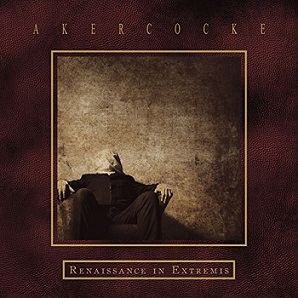
Despite their never ending and understandable popularity, a reunion is a tricky proposition for many bands. Metal’s capacity for nostalgia, and sometimes backwards-looking tendency means that the clamour for well-regarded bands to reunite rarely dissipates, and even increases over time. Max Cavalera and Andreas Kisser will never stop being asked about the prospect of bringing the ‘classic’ Sepultura line-up back together, even if the mostly mediocre output of both men since the mid-90s suggests that it would be unlikely that they would produce anything even approaching the godlike brilliance of "Beneath The Remains" or "Arise". Similarly, a Pantera reboot would in all likelihood be hugely popular, despite the fact that 50% of the band, and probably the most integral 50%, are sadly no longer drawing breath. While a sub-section of their fanbase might be caught up in debating the validity of any claim to the name on the part of Philip Anselmo and whatever posse of hired hands he deigned to employ, the band themselves would be surveying such conversation from the upper reaches of festival line-ups across the globe. Translating a live reunion into new music is even more difficult, with perhaps only Celtic Frost, Cirith Ungol and Autopsy springing readily to mind as unqualified successes in recent years. The potential pitfalls of recording new music after a significant hiatus are legion, and even allowing for the initial excitement generated by the return of a classic band, many acts fall into a spiral of diminishing returns, even if the music itself stands up to scrutiny, as seems to be the case for the likes of At The Gates and Death Angel, to name just two of many bands that have reformed this century. Too slavishly following a template set down years or decades before runs the risk of a band becoming their own glorified tribute act, while failing to recapture the magic that was originally created by a certain set of circumstances that can no longer exist. Conversely, wholesale sonic revolution may be successful, and position a band as more relevant in relation to current trends, but it is more liable to alienate the very people that have been pinning their hopes on the reformation in the first place, as well as, in the eyes of some, tainting a legacy, or at the very least painting it in a different light. There is a reason why Emperor have been playing live for a decade since their original disbandment without venturing into the studio and, while this is an option for the truly legendary, when it comes to bands in Akercocke’s position in the metal hierarchy, there is little chance of living off the proceeds of festival appearances alone. It is against this backdrop that, following their own reconciliation, they reconstituted themselves as both a live act and as one that once again would release new, original music, delivering Renaissance In Extremis as their olive branch to fans disappointed by their dissolution five years earlier.
Akercocke’s previous album Antichrist, which felt at the time like something of a full stop to their career, bearing in mind the tight and focussed nature of a set of songs that consolidated all elements of the band’s sound, while at the same time toning down some of the more expressive experimentalism, was released in 2007. The band fell into inactivity following the touring cycle, and ultimately went their separate ways in 2012, a break-up which eventually spawned the excellent Voices, whose sound bears much in common with Akercocke, even if thematically and aesthetically there are some clear differences. If Antichrist was a full stop, then Renaissance In Extremis is the start of a new chapter, and the possibly overly literal title is a fairly clear statement of intent, albeit one that the album doesn’t quite live up to. While it certainly is a renaissance of sorts, it’s not exactly the exercise in extremity that the band might want you to think it is. Particularly in comparison to their first two albums, which were genuinely extreme in almost every respect, elements of the record feel almost restrained, and certainly less over-powering than the blasting behemoth that made the dizzyingly intense Rape Of The Bastard Nazarene. Let us not exaggerate – Akercocke have not been transformed overnight into Coldplay, but there is something more mannered and calculating about their attack, even if it still contains many of the constituent parts of their historical sound. The wild decadence that once characterised their music, however, allowing them to give free rein to the feral and ferocious part of their personality is no longer present, perhaps now considered by the band as the folly of youth.
If Renaissance In Extremis can trace its DNA into the Akercocke genealogy, the album that it most clearly takes its cues from is their progressive death metal masterpiece, Words That Go Unspoken, Deeds That Go Undone. In some ways this is an enticing development – to this listener at least, that particular album was the perfect expansion of the Akercocke sound, retaining most of the fury and pulverising brutality of their earlier efforts, but also striking out unconstrained into intoxicating psychedelia, post-punk and dazzling technical prog-metal. It is also the most logical step that Akercocke could have taken at this point. Any attempt to in some way recapture and replicate the spirit and sound of the untrammelled ferocity of their debut would seem contrived, whilst pursuing something completely unconnected to their original wellspring of inspiration would call into question the reason for reviving the band in the first place. This connection to the band’s fourth album is obvious right from the spidery opening to the lead-off track ‘Disappear’, before it drops into the thrash-oriented gallop that forms the core sound of much of the record. A brief foray into the kind of seasick dissonant harmonies that they used to specialise in re-animates the corpse of millennial Akercocke, before the latter part of the track alternates between the kind of delicate post-metal that has now infiltrated most sub-genres of metal since Akercocke originally went their separate ways, and the kind of acrobatic guitar work that is more familiar territory for the band. At times, the dextrous twin leads elevate the track to majestic heights, and it is truly a thrill to hear Akercocke back in action, but re-tooled in a way that ensures that they remain in at least touching distance of relevance, if indeed that is a concept of any real importance.
As we continue through Renaissance In Extremis, it is apparent that sonically, Akercocke have opted for a much cleaner, and less cluttered production that they ever have before. Although this makes a certain amount of sense, given the increasing reliance on the melodic guitar leads as the driving force of their sound, as opposed to the twisted death metal riffing of old, it does mean that, at times, proceeding veer into slightly sterile territory, and the compelling and other-worldly atmospheres that made the band such a unique proposition are almost totally absent. This is not to say, of course, that there are not still sections of the album that make it an essential addition to the die-hard fan’s collection. ‘Familiar Ghosts’ is mostly magnificent and arranged in such a way that it represents a totally transporting journey for the listener. It’s no coincidence that the track contains probably the most effective use of synths on the album; an insidiously catchy melody gradually building a complex harmonic relationship with guitars that deploy shards of unresolved, hanging chords, while David Gray find new uses for his drum ‘n’ bass inflected drum patterns, before white-hot blasts of chromatic dissonance bring modern Akercocke firmly back into the black metal realm that they used to previously inhabit so easily. In a wonderful juxtaposition of old and new, the closing part of the song then constructs a redemptive and euphoric conclusion from the wreckage wrought by the mid-section, perhaps musically mirroring Jason Mendonca’s own well-publicised mental health struggles during the band’s hiatus. Similarly impressive is the splendid ‘One Chapter Ends For Another To Begin’, which shows that the band haven’t lost their touch when it comes to assimilating newer developments in extreme metal, mining a seam of beatific and uplifting shoegaze against a backdrop of relentless blasting. The song also sports a plaintive vocal, working its way around an elegant melody, and it coalesces into their take on the kind of sound that Alcest have brought into the mainstream of late. It works beautifully, a left turn and novel compositional approach for the band, but not so out of step with the rest of the album as to sound irritatingly incongruous.
The track which is probably the best representation example of Akercocke circa 2017, however, is also emblematic of the drawbacks of the return of this superb band. ‘A Final Glance Back Before Departing’ again takes the band’s now core sound of fairly linear death/thrash as a starting point, and overlays fluent and extravagant lead guitars in a way that balances effortless technical mastery with pounding metallic riffage. Thematically and vocally however, the break with the past is difficult to reconcile with the beast that Akercocke once were. I’ve written previously about the fact that part of the beauty of Akercocke has always been the fact that not only is their music outstanding, but that they were also aesthetically complete, emerging fully-formed with a debonair image, an erudite and somewhat arcane lyrical bent derived from fascinating literary sources, using instantly recognisable artwork to tie everything together, ensuring that a common thread runs throughout their back catalogue, despite the evolutionary leaps made from album to album. On this comeback record, however, and never more starkly than on this track, the veil is unceremoniously lifted, and Mendonca’s lyrics are far more personal, but also more rudimentary and generic, deprived of the idiom of esoteric Satanism that the band were once so proficient in employing. Presumably, the band might argue that along with the ditching of the suited and booted image, it was necessary to remove the facade that they previously operated behind, and that the listener is now confronted by the ‘real Akercocke’. In so easily casting aside some of the elements that were so crucial to the Akercocke mythos though, the spell is broken, and instead the band become just another very good progressive metal band. Where Mendonca once used imperious vocals to sing of “the senseless vanity of the Nazarene”, his now tremulous voice sings accusingly “Don’t be fooled / Because I walk and talk”. It is undoubtedly courageous and admirable to become publicly so vulnerable, and in another context, such lyrical content could succeed with its naked honesty, but for Akercocke, it comes to close to calling into question some of the most precious aspects of the core essence of the band, and this makes the track, and to a lesser extent the album a difficult listen.
The album ends strongly, and this is to its credit, with the penultimate track, ‘Inner Sanctum’, the strongest and most convincing song on the entire album. A concise torrent of technically adroit death metal, this blizzard of clever ideas incorporates a jaw-dropping instrumental passage that is as startlingly brilliant as anything the band have ever put their name to, augmenting an already superior song as a Caravaggio adorns a breath-taking Roman church. As the closing notes of the mostly excellent ‘A Particularly Cold September’ fades away, the listener finds themselves trying to resolve the perpetual conflict of the reunion album. It is of course pleasing to welcome back one of extreme metal’s most interesting and forward-thinking bands, and gratifyingly, they have returned with an album which holds its own in a changed musical landscape. Akercocke easily evade the kind of embarrassment that has afflicted many a band, and there is much to admire about their comeback. Conversely, there is no avoiding the fact that it is fundamentally not the transcendent experience that we are given to expect from a band of such talent and skill. It seems a little cruel, given Jason Mendonca’s aforementioned mental health battles, to criticise Renaissance In Extremis too severely. Its very existence is, in many ways, a triumph over adversity, and of course in no way diminishes the quality of everything that has come before it. However, in most of the respects that truly count, it ultimately pales in comparison to their monumental past works. Renaissance In Extremis is masterfully composed, well arranged, and impeccably performed, but the lack of the band’s trademark feral intensity means that it fails to make the kind of emotional connection that once came so easily, and instead exists as something to be admired from a position of detachment, a framed portrait in a fusty gallery. The unassailable self-confidence of the previous iteration of Akercocke has evaporated, and in their place a more diffident group, eminently capable of musical virtuosity, but lacking the singular and magnetic force of personality that once made them stand out so far from the crowd. Akercocke are an excellent progressive metal band, and Renaissance In Extremis is a good progressive metal album. For now, that is probably enough, although it does mean that Akercocke are just another band, one of the pack, rather than the trailblazing leaders that they were. Once, Akercocke gleefully sang in praise of the damned. In evaluating their reunion, it is impossible not to damn them with faint praise.
Rating: 6.7 out of 10
First published here.
1.26kReview by Adam M on September 13, 2017.
Akerocke bring a really dark aura to the table. There are a number of progressive moments on this disc that make this the most thoughtful thing in their catalogue. The combination of death metal and black metal with progressive music works best here and the band’s skill is brought to the forefront. The complexity of the songs is at a premium. They go through a number of different shifts and changes to produce what is very solid dark metal music.
The sound of the band has the evil vibe that is one of a kind and unique to them only. This is certainly brought about through the guitar riffs, which are very wired sounding. Still, the band manages to keep things in check and make the album accessible enough for repeated listens. This is partially because of the death metal flair that occupies a large portion of the disc. The deeper more progressive moments are contrasted with these moments of death metal assault to create a varied and interesting platter. As I liked Words That Go Unspoken, Deeds That Go Undone, it is nice that Akercocke maintains the balance between death metal and progressive music in a similar fashion to here. What’s nice is that the prog elements are brought into the foreground slightly and focused upon more. This only leads to an even deeper release from the band. The mixture of clean vocals with harsh ones is effective and emulates the mood the band is aiming for at the time.
Renaissance in Extremis really is a disc that has many interesting shades of elements from a couple of subgenres and melds them together successfully. Though the band doesn’t completely knock it out of the park in terms of the consistency found on this release, the balance of different musical elements makes for an entity greater than the sum of its parts.
Rating: 7.7 out of 10
1.26k