Kongh - Interview
Gortal is dead, long live Deamonolith! I didn't think it would be so easy for me to say it, because I valued the work of that first band very highly. I was all the more pleased that the talent of the 2/3 core of this band decided to continue to go to war with all adversities and create unconventional death metal. I knew they were capable of a lot, but to be honest, I didn't expect such a shock after listening to "The Monolithic Cult Of Death". And in every respect: the purely musical, lyrical, visual content, or the generally unconventional approach to death metal matter. If we add to this the fact that the album in question is one, several dozen-minute-long song, then you should have a taste of how much work had to be put into this undertaking. I would like to invite you to a very interesting conversation with the main creators of this project, which, in my opinion, will cause a stir not only in this year's summaries. I deeply hope that they will break into the top league of extreme playing and not only in Poland.
Levi

You did it – you created the Monster! Congratulations. Tell me, how does it feel to see such a daring idea through to the end?
Major: Thank you. Persistence, consistency, and trust in your own creative intuition are the key words. We were not limited by any barriers or frames. We developed Monster slowly, analyzing the quality of each idea and refining individual riffs and the arrangement of each song to the optimal version, with which everyone was ultimately fully satisfied.
Desecrate: Thank you very much! I still feel uneasy with the fact that the beast is already living its own life, and I have no influence on it.
The initial idea for your debut album seemed a bit different than what was finally released under the banners of Godz Ov War and Ancient Dead. And not only from the moment of composing the material during rehearsals, in the form of a line-up, but also during work in the studio and the participation of other guests. Didn't you have the feeling that something could go wrong, get out of control, and that you could overdo it?
M: As you know, in the beginning, we had prepared skeletons of three "normal" compositions and a dozen or so minutes of the initial skeleton of Monster. This was the stage of searching for our own left-hand path. At that time, I did not yet have a specific vision of which ideas to consider as priorities. We were also searching for the missing links in the line-up. Musicians who would believe in our ideas, which would consequently allow us to develop the basic formula. People who would match me and Desecrate in terms of skills, commitment, and mentality. It was not an easy process, and the line-up took almost 2 years to form. The more we developed the composition formula, the more we were convinced that we were heading in the right direction. I felt subconsciously how to expand the number. I trusted my intuition, but also the talent of the people who got involved in the arrangement process, and with each passing week, the conviction that we were creating something valuable grew.
D: As a chronicler, I must add that the idea for such a uniform musical form was the foundation for the reactivation of Gortal. In the meantime, ideas for shorter forms appeared, but in the end, all of them ended up in the waiting room. We even recorded them as a pair 'live' in 2022. Those three short forms that Major mentions. It was the fastest recorded 'live' in the history of death metal (laughter). But more about that some other time.
Exactly. You created a damn eclectic and diverse material, in which at times you can hear things that, if not contradictory, are damn hard to grasp, so that they do not overshadow the death metal power and fury. Despite the multitude of ideas, melodies, and strange things that happen on the album, you have maintained the prescribed brutality. Because that is probably the basis of what you play, isn't it?
M: I wanted to get out of my comfort zone, although it sounds a bit like a coaching slogan-babble or some other truism straight from LinkedIn. Coming back after over 10 years in a form directly related to Gortal's style would be safe and predictable. At this stage of development, we decided that it would be unnecessary conformism. I categorically wanted to avoid creating the ten thousandth iteration of pure death metal pounding. As cool and graceful as it is derivative and money-grabbing. Of course, you're right - the brutality you're talking about is the foundation, the core of our idea for music. But after so many years of playing, I felt that I needed to break the mould, trust my instincts without directly imitating anyone or anything.
D: Major and I have been playing metal for over 20 years. A few years ago, we did a few things together on the album "Nihilist" by Pandemonium, but only now could we afford full freedom in composing. When we were making this material, we started from the assumption that nothing limits us and we play what we want. The only condition for showing it to people was that, in our opinion, it had to be better than anything we had done so far. Brutality, speed, and fury have not been goals in themselves for a long time.
I had some issues with the female vocals, but the final effect and what you did in the end gave it a unique flavor that doesn't detract from or soften the whole. Similarly to other instruments, not often used in death metal, and the participation of guests, of which there are really a lot. Was their selection a natural thing, or did something else influence these choices? I understand that all of this was the icing on the cake - the basis that you forged in the sweat of the rehearsal room?
M: You're right. When the skeleton of the composition was prepared, we started thinking about additional elements and guests who would help us push the composition towards other dimensions. The search lasted several months, and we didn't manage to implement all the initial ideas, but I think the final effect is almost optimal. We invited people with above-average skills and sensitivity to music to collaborate. Personally, I wanted them to be people from a close circle of friends who understood our intentions. Each guest was given creative freedom in preparing their parts, which translated into spontaneity and instinct. When we first encountered some of the ideas, our jaws were on the floor.
D: I remember that at a fairly early stage, we were assuming additional elements that were to appear in several key places. Although some assumptions resulted from the story being told, we gave the invited musicians a free hand so that they could contribute something of their own and complement our vision. The inclusion of female vocals is neither accidental nor is it just an addition – it was crucial to emphasize emotions and important moments of the narrative. Anna Malarz, known from Thy Worshiper, is responsible for the female voices on the album. She perfectly immersed herself in the material, and her parts perfectly emphasize the emotional moments of this story.
I understand that you had no problems with male clean vocals (laughter)?
M: Our long-time artistic companion, Michał "Xaay" Loranc, is responsible for these parts on the album. A man of many talents, and as it turned out, also a versatile vocalist. Xaay was not our first choice, because we had no idea that he could sing so well. Apart from adding the phrases that Kobuch mentioned in his guidelines for vocal guests, Xaay improvised a male choir and added it according to his own idea. Hats off to him.
At this point, it's time to introduce the other guests on the album. Łukasz Wypych, a close colleague of mine from professional circles, completely unrelated to the underground metal scene, is responsible for the saxophone parts. We met almost 10 years ago during a recruitment interview, and from the very beginning, it was clear that we were a match. Łukasz finds artistic fulfillment in the prog-rock Nebular Punch, listens to Dream Theater addictively, and is a soccer fan, with an emphasis on the best league in the world, the Ekstraklasa. The idea to use the saxophone came to me suddenly. During one of the training sessions, I turned on Misanthrope's new material, entitled "Les Déclinistes", on Spotify. The track 'Regard Vers L'Infinité' blew me away thanks to the phenomenal saxophone parts. And then the thought came to me that we had to have this instrument on the album. We invited Łukasz to a rehearsal, and the first effects exceeded our expectations. Łukasz composed all the saxophone parts on his own. Finally, in order to speed up the recording process, we hid in our rehearsal room and with the help of Przemek "Imp" Moszczyński from Saltus and Conquest Icon, we recorded the saxophone parts. The piano in the intro that begins the album was composed by Magda Sienkiel, daughter of Marcin Skullripper, known from Embrional, Azarath, Hellfuck and Squash Bowels. I had been following the development of her extraordinary talent for several years and came up with the idea for her to try her hand at metal style. With Marcin's help, we managed to realize this intention. I think the effect is stunning. In turn, the next piano parts, found in the interlude, are the work of Sebastian, Sunrise's son. Another talented young man had a hand in the cooperation with the boomers. Now we are waiting for malicious comments about the "Satanic Noah's Ark" (laughter).
Are there any patents on The Monolithic Cult Of Death that were prepared for the next Gortal album? Well, yes, that name had to be mentioned in this interview, ha, ha! Well, after an album like this, there's probably no doubt that that band was buried in the sand for good. Or maybe I'm wrong?
M: Yes. A lot of the riffs from the first part of the song were created with this in mind. There are even direct references to the sounds found on "Deamonolith" (the last album by Gortal, the musicians' previous band) - I hope that the curious listener will find them. It was supposed to be a kind of tribute to the past. I would like to emphasize that Gortal, in its mature form, has always consisted of three equal pillars: Chryste, Desecrate, and me. The lack of one link meant the end; that's what we always told ourselves. For some time, we tried to resurrect this energy and unleash the fire that would allow us to create again in such a constellation. It didn't work. After considering all the pros and cons, we decided that further playing under the Gortal name was pointless and unjustified. We already knew that a new energy had been born, and we felt subconsciously that we needed a new name. Yes, I think Gortal is dead. We are no longer young, at least in terms of age. From my perspective, there will be no room for any side-steps from playing in Deamonolith. I want to focus solely on creating music under this banner, and at the same time not neglect my family life, professional life and another passion that has accompanied me for years, namely, long-distance running.
D: The last real activity of Gortal was a concert during the Drrrama Festival in the fall of 2015. As of today, we have a few unfinished business on hold (there have been plans for vinyl reissues of both albums, including a remaster of the debut),so apparently "if you're born to hang, you'll never drown". However, musically I am focusing only on Deamonolith.
The line-up also seemed to be a bit of a hit-and-miss situation, and most of the time, it was just you and Desecrate. What was the contribution of the rest of the line-up, let's say the final one? Introduce the band.
M: It took us a dozen or so months to finalize the final line-up. We wanted to find ambitious people with a similar perspective on music, but also on issues that go beyond that. From the very beginning, I ruled out working with people who abuse alcohol. As a result, 3/5 of the line-up are complete teetotalers (laughter). In any case, I would like to thank everyone who tried to take up the challenge and devoted their time and energy to our rehearsal room.
The vocalist is Kobuch – Desecrate met him while they were playing together in Sarmat. The concept of that band changed some time ago, and Łukasz had the time and desire for another challenge. In the past, he was screaming his head off in Mortis Dei, among others. He wrote the lyrics and also arranged the vocals himself. The final effect definitely exceeded my initial expectations. He is a tough negotiator and a strong supporter in terms of logistics and promotional activities. And I have the impression that he is just getting started.
The second guitar is played by Sunrise, probably the most unconventional musician in the line-up. At the stage of forming the line-up, Michael from Pandemonium played bass with us. He recommended Krzysiek to us and invited him to a rehearsal. It was a hit from the very beginning. Sunrise has incredible imagination. He developed the core of our composition brilliantly, adding spaciousness to the music. He also composed and recorded the intro and interlude (together with his son, who is a pianist). On a daily basis, he is the brains of Ashur from Łódź. In the past, he played in Sacriversum, Imperator, and Funeral Cult, among others.
The bassist is Lukas. He has known Desecrate since the time he played in Symbolical. It turned out that Lukas had moved to Warsaw permanently some time ago and lived next door. Here, too, we reached an understanding very quickly. Despite a very short time for acclimatization, Łukasz understood our ideas very quickly, mastered the material in no time, and recorded great bass parts. He enriched our sound, just like African doctors and engineers would like to improve Europe culturally.
Dececrate is the co-founder of Deamonolith and my companion for over 20 years. We understand each other intuitively and mutually drive each other, generating unique creative energy. Without him, the entire concept of Deamonolith would be impossible to realize. Krzysiek has incredible technical skills, but most importantly, he has an absolutely above-average sense of arrangement. In situations when I lack an idea for developing a given thread or a satisfactory compositional solution, he goes full-on and finds the optimal way out of a seemingly dead end in 5 minutes. In addition, he has a huge contribution to creating the lyrical and graphic concept. I will not write about myself - I will give the floor to my buddies from the band.
D: Major is the co-founder of Deamonolith and an extremely creative guitarist. He throws out meaty riffs like a proper meat mincer, and his familiarity and broad musical horizons make composing with him easy, fast, and enjoyable – we rely on associations and immediately find a common direction. It's definitely better to play with him than to have discussions, but you can't have everything (laughter). His analytical approach to composing well compensates for my emotional attitude to music, which allows us to maintain balance in the creative process.

It's obvious that you put a lot of work into the music and artwork for the album. Tell us more about the lyrics, artwork, and the overall message. There's no doubt that it's a complete product.
M: The album's lyrics take the form of a drama divided into roles. It's a story about the lengths to which people can go in the face of the apocalypse - it shows the fall of faith, fanaticism, conviction of the righteousness of their actions, and their distorted justification fed by lies about the greatness of man and his purpose. At the same time, it shows the nature of man, who cannot come to terms with his own fate or his place in the infinite void that is the universe. It is also a warning against blind faith in the prophecies of various messiahs and an encouragement to cultivate individualism in oneself. The concept of the story is the work of Desecrate, while transferring the idea to paper is Kobuch's role. In my opinion, this is the ideal solution, because the vocalist knows best how to choose words for the later arrangement.
D: From the beginning, we assumed that the lyrical layer had to correspond with the music, and not be a simple, sentimental, rhyming addition about the devil's guts. We had a vision in our heads of a long, elaborate story about the perverted nature of man, put to the ultimate test. Riffs and arrangements were created one after another, and each subsequent riff had to refer to the previous one and develop the story. Thanks to this, we could say: "- This is our idea, here are the riffs - now it's time for vocals." And that's exactly what happened. Once, after a Sarmat concert, Kobuch and I were returning to Bydgoszcz, and the perfect moment came to talk about the lyrics and refine the concept. During rehearsals, we wrote down which riffs could be sung and which ones would be better left for the music itself. Kobuch took over the lyrical reins and wrote the lyrics, creating a coherent story. When the time came, he realized it all himself in the studio in Bydgoszcz. Chapeau bas!
Album cover. Another strong point. On the one hand, it's damn old-school, the first associations with Sinister - "Hate" and "De Profundis" you know of whom are obvious, but on the other hand, its expressiveness and sharpness also shows that you're not afraid of modern solutions... Correct me if I'm wrong?
M: The concept of a world torn apart by various monsters is my idea, developed by Desecrate using modern tools. We searched for graphic inspiration together with Desecrate for many weeks. Then we passed our initial ideas to Xaay, who perfectly developed the concept, which allowed us to create the final version of the graphic. Once again, in such a configuration, we managed to create a suggestive and intense image, consistent with the textual and musical content of the album. Xaay has been our graphic designer since the debut of Gortal, and he masterfully implements our ideas. Perhaps also because he understands and likes our compositions. Transferring our visions to canvas using paints would be unrealistic or would take several years, so such an option was not considered from the very beginning.
D: Using modern tools for some means clicking through a few stupid slogans, and for others, a few months of writing prompts and hundreds of generated graphics. Now, when looking for inspiration and ideas for the cover, you can immerse yourself in your own ideas and sketch without limits. Luckily, we have Xaay, who once again transformed our conglomeration of concepts into the final version. His imagination and precise work on every detail made the cover polished, professional, and unique.
As for the sound, it's powerful, but I don't think there was any doubt about that. You like working with Janos, don't you?
M: The choice was obvious. We've known each other for years and have complete trust in him. Logistics also play a significant role. 3/5 of the line-up can get to the studio in 15 minutes. Besides, I think that when entering the studio, the band should know how it wants to sound. From the beginning, we knew what our expectations were regarding the key elements of the production. The sound engineer should squeeze the most out of these ideas. And so it happened once again. The final effect, as usual in the case of cooperation with Janos, is excellent.
D: The fact that we would record with Janos was as certain as death and taxes. I recorded a few so-called 'life parts' with him, so this time I decided it was worth trying again. I think musicians often underestimate this, but a demanding sound engineer with the right approach to the musician is key when recording difficult or demanding parts. Such cooperation inspires and allows you to record better, more interesting things. And so it was this time.
Now I would like to ask about your expectations and plans for The Monolithic Cult Of Death?
M: We plan to work hard on the groundwork in terms of promotion. We are scattered across several cities, and we all have families and professional obligations. The logistics and synchronization of calendars are complicated. I can count on the fingers of one hand the rehearsals with the entire line-up so far. At the same time, I want to emphasize that I care most about composing new music. I devote more time to the guitar than ever before, I have opened my mind to various sources of inspiration, and I have the ambition to consistently develop the formula of Deamonolith music. I remember, however, that the day is not made of rubber, that it is 2025 and the reality is completely different than 10, 15, or 20 years ago. Thanks for the conversation and support. See you at the concerts.
https://www.instagram.com/musick_mag/
https://www.musickmagazine.pl/
After very good new album "Sole Creation" we talked to David Johansson about its creation, cooperation with Agonia Records and everything in between.
Kubiccy
Beyond all doubt "Sole Creation" is Kongh best album ever. Musicians often praise their very latest works, thus I suspect you also think alike, is that correct?
Thank you very much for saying so! We absolutely agree about it being our best album to date. While the earlier albums have songs which we consider being among our best as well, we still think the overall flow and atmosphere of the new one is superior to the other albums.
With the new album you managed to achieve the perfect balance between heaviness and melody, which was something missing in your music in the past. Are melodies a key to the success of Kongh’s last material?
We always had some minor melodic parts here and there but earlier, the heaviness was the key ingredient of our music. With the new album, we wanted to expand our sound a bit, making it more dynamic and interesting. The choice to use more melodic vocals (and more melody in the music overall) was one of these aspects. However, by doing this we did not intend to cut down on the heavy parts, they are still equally important. I don't like bands who are really heavy and then suddenly they change completely and lose that element. We still want to keep the brutality and heaviness, while still developing our sound, and introducing new dimensions. This was a conscious move and a conclusion we reached after listening to our earlier albums, playing the songs live for years etc. We found what we thought was missing, and the result, I think, is an album we always wanted to make but weren't ready to do until now. Meanwhile, I still enjoy our earlier albums and I'm happy with the way they are. I think progress is important in bands, rather than a catalog where all the albums sound exactly the same.
On the other hand, I have a high regard for your heaviest incarnations also, like "Drifting on Waves", which is an almost half-an-hour colossus placed on a split with Ocean Chief. Is there a chance that Kongh will come back to similar pieces in the future?
Hah, yeah, that's a long one! We wrote that song exclusively with that split LP in mind. We had been in touch with the label Land O Smiles for a while about doing some release through their label. Then they said that Ocean Chief had a 25 minute song, and we got the idea - "why don't we write a 25 minute song as well, that would be cool for a split". We had already played around with the thought of making a really long, epic song, and already had a lot of ideas, so we locked ourselves into the rehearsal space and jammed away. I think the result turned out nice, and it was a bit of an experiment for us, probably our most "experimental" piece. We wanted to explore the really long format that was a bit ahead of our comfort zone, as most of our songs are about 10-14 minutes. However, I'm not too fond of the production and sound but that goes for all of our earlier recordings. I guess you learn by doing, and that's part of the reason why the new album sounds better. We're more experienced and know how to handle a studio situation to reach better results. In the regard of doing another 25 minute song – well, you should never say never, right? We haven't gotten that far in the writing of new material yet, it's mainly about riffs so far, not songs.
Would you agree that "Sole Creation" is your most mature album, a big step forward when it comes to composition arrangements, and also with the most varied vocals? Why did you decide on so large share of clean vocals there?
I would agree to that, yes. I think it's better arranged, more varied and has a better flow. We took a long time to write the album (almost 4 years) and I think that's for the good. Instead of rushing songs together, we preferred to take it slow, and really reflect upon the material we were writing. Sometimes, a vision of what you want to do takes time to form. Also, when we write music, we try out a lot of different ideas and angles before settling for a final song structure. Every Kongh song has been changing shape probably a 100 times before it feels right. The reason for the varied vocals are several. First off, when playing live, I came to enjoy the clean singing more and more. It's more fun as a vocalist to actually sing than to just roar all the time. However I really enjoy the roaring as well, but doing it all the time could easily make the vocal approach a bit static. During the years, I also developed a better singing voice, and that's another reason I decided to use it more.
Your debut titled "Counting Heartbeats" received a nomination for the prestigious P3 Guld award. Do you care about this kind of distinctions, is it important to you? Do you think "Sole Creation" may repeat this success?
I wouldn't say that it is important to us in the way that we must achieve stuff like that in order to feel satisfied with our work. When you are truly happy with something you've done, you really don't mind if someone else doesn't like it or not. In the end our music is mostly a personal achievement. However, we very much appreciate all kinds of positive response we get, and being nominated for an award like that was something we were very happy about. It would be awesome if Sole Creation reached similar success in terms of nominations, but we're not taking anything for granted. While we think it's our best album to date, we can't presume that everyone else will agree.
"Sole Creation" opener track is probably your most "hit" piece, instantly catchy. Acting that way, I mean putting that kind of piece at the beginning of the album, reminds me YOB a bit. I clearly hear their influence in your music. Are you annoyed by such comparison?
No, we're definitely not annoyed. We're very big fans of YOB and I would consider them one of our biggest influences music-wise. So if we sound a bit like them, that's a good thing, but we don't consider ourselves a rip-off band, which there are many of out there. We want to combine our favorite aspects of heavy music and make something original out of it.
It’s the first time when “Sole Creation" cover so directly refers to band’s name. Was there any particular concept behind it?
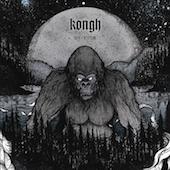
The covers of our earlier albums has more abstract covers which we think responded really well to the atmosphere of the music. On this new one, we wanted to push the concept even further. We always liked the whole King Kong theme and it's been central in our music since the beginning. This goes hand in hand with our vision about the new album being a bit more accessible than the previous ones. Also, I think it ties the earlier album covers together quite well. The first one has forest on it, the second one had water. This new one combines those two and also shows what is coming out of the water. It also shows some of the deep space up there, so who knows which direction the next album will be heading?
Album was mixed and mastered by Magnus Lindberg of Cult of Luna. How this collaboration started? "Sole Creation" sounds more clear than your previous records, is this Magnus’ contribution?
We already decided earlier on that we wanted to do the new album different than the earlier ones as we weren't a 100% happy with the productions. We wanted to hire someone who was truly experienced in sound production of the kind of heavy atmospheric music we play. Magnus was one of our top choices as we appreciate his other work, so we got in touch with him and worked it out. We recorded the album at the same studio as we always used, which is Teknik Kompaniet in Vetlanda, Sweden. Magnus came there on the first day of recording, setting everything up the way he wanted it, and then me and Tomas did all the recording sessions ourselves for about 10 days. When it was all completed, I brought all the tracks up to Magnus Lindberg's studio in Stockholm and then I sat there while he mixed the album for a few days. It was a cool experience to watch a master at work, and also to be able to put my own input and ideas where it was needed. All in all, he did a great job and we finally got a production which we are totally happy about. It's very likely that we work with him on the next album as well.
All Kongh materials, including "Sole Creation", were recorded in Teknikkompaniet studio, under supervision of Peter Ludin. Did you ever think about working with any other producer?
Yes, all earlier recordings were done completely by Peter Lundin, he recorded and mixed. We are good friends with Peter and enjoy recording in his studio, it's started to feel like home to us. As I said, with the new album, we did most of the work ourselves. Both Peter and Magnus were there on the first day, setting everything up. We don't know yet where the next album will be recorded, or with who, etc. We will get into that later when we are getting ready to record.
Solo in "The Portals" was done by John Doe of Craft. Could you tell us few words more about enigmatic The Eternal Void, where you play together?
The band was founded during a time when all of the involved members (me, Tim from Switchblade, and John and Joakim from Craft) were busy working on our new albums in our "main" bands, so it got a bit delayed there. But there is a lot of material written and sometime this year, the plan is to get some kind of recording done. Musically, it's primitive and riff-heavy black/death metal.
You mentioned somewhere that you often listen to black metal stuff. Is there any connection between your interests in this music genre and your decision to sign a contract with Agonia Records? This label is still associated mainly with black metal. How did you get in touch?
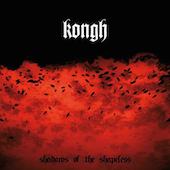
Agonia Records has been interested in us basically since we released Shadows of the Shapeless and we've been keeping contact since then. We had a few different labels wanting to put our Sole Creation but I think Agonia seemed like the most fitting one. They are very friendly and professional and they have a lot of experience so we decided to go for them. Everything worked out really well. The black metal aspect felt good as well. We're mainly referred to as a doom oriented band, but I consider black metal a big influence as well, as we all listen to it a lot and draw inspiration from it, so we didn't feel out of place in the Agonia roster.
Some of peculiar fuzzy guitar parts, for example in "Sole Creation" or in "Skymning", reminds me a bit some black metal materials of Deathspell Omega and Blut Aus Nord. Are you trying to smuggle such sounds into Kongh music?
I enjoy both those bands but we haven't deliberately tried to sound like them. We don't really set out to sound like any bands in particular. It's more like we're searching for certain feelings or mindsets rather than sounds of specific bands. We like a lot of different music so I guess several different styles finds their way into the melting pot.
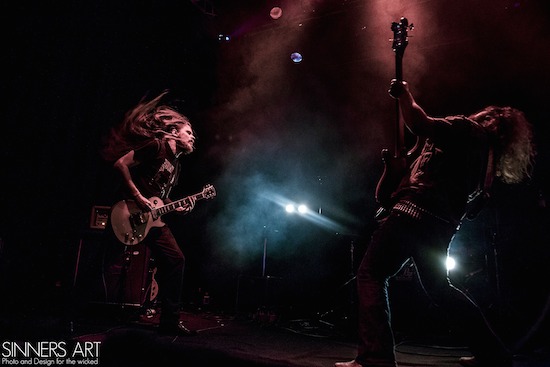
Last year Kongh didn’t play live too much, but before you played live a lot, among others you shared the stage with YOB. Is Kongh a concert band? How your music works in touch with the audience?
Correct, we decided to take time off from touring and only accepted the most interesting offers we got. That's because we needed to focus on the new album. We actually decided to take it easy with tours in early 2011, but then we were offered 28 shows opening for YOB, and you can't say no to that! That delayed the plans for the new album a bit but that was only a good thing, it left us more time to work on the music and that YOB tour was very good for us promotion-wise. I think we reached a bunch of new listeners.
We really enjoy playing live, yes. The volume and atmosphere during live shows takes the music to another level than you get listening to the albums, I think. We toured a lot in 2009 after the Shadows of the Shapeless release. I remember booking a lot of tours by myself back then. We just wanted to get out there and tour in order to get our music out. However, now I think we already reached a larger fan base who will check out the album anyway so we didn't book a bunch of DIY tours this time. We prefer to take it easy and see what offers we might get. We accept all offers which we find interesting, so there will most likely be a fair share of touring on this album too.
Soon you will play in Sweden, alongside Meshuggah. It's quite an interesting set. Do you think fans of technical twisters made by Meshuggah will enjoy your playing, which is much simpler? What are your other live gigs plans for this year?
Yes, Meshuggah got in touch and wanted us to be main support on their Scandinavian dates, so we will play 5 shows with them next month. That's really nice, as we are big fans of their music. It's hard to say what kind of reception we will get at the shows, they're much more technical than us, as you mentioned. They have a wide audience though, and we still have the heaviness in common, so hopefully some of them will like Kongh too!
While browsing the list of your live gigs, I’ve noticed that your first live set was played in 2005 in Vetlanda Mental Institution. Could you tell a bit more about it?
Yeah, this was back in 2005 and the only material we had was two songs, both about 20 minutes long (one of them later was reworked into Drifting On Waves by the way). A girl we used to drink with during the weekends, her mom worked at Vetlanda Mental Institution and they sometimes did these "field trips" for the patients. They thought it was a good idea for them to come out and experience some extreme doom metal. So one day, they showed up in our rehearsal room, about 10 of them and a couple of doctors. They sat down, we played our songs and the atmosphere in that room was "special" to say the least. I mean, it was our first actual concert with this band, and I don't think any of the visitors were really into the kind of music we played. I think most of them enjoyed it though, and afterwards they wanted to use our instruments and stuff so it turned into a jam, "One flew over the cuckoo's nest" style.
Kongh exists as a duo and you record bass parts by yourself. Do you think about extending Kongh line up permanently?
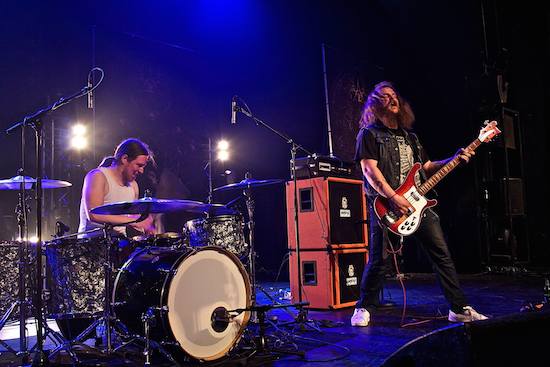
I like the concept of doing both guitar and bass by myself in the studio and have no problem with that. However, when playing live, which is what we do the most (studio work is only happening once every third or fourth year anyway) we have a bass player.
Center point of one of photos put in "Sole Creation" booklet is your Gibson Les Paul Custom Classic White 2007, with Orange and Marshall amps plus Orange and Mesa cabinets in background. Tell me more about your equipment and why did you choose Gibson?
My first guitar was a very nice Epiphone Les Paul which my dad gave me when I was 12. I played that one basically every day for about 10 years, then I started to buy more guitars. So I grew up playing a Les Paul guitar. I don't know if that's why I like them so much but I never tried a type of guitar later on which I felt more comfortable with. They look great, feels great, sound great. I bought my Gibson Les Paul in Chicago 2008 and it has been my main guitar since. I still like my old Epiphone very much though. Changed pickups on it last summer to Gibson Burstbucker Pro's so now it sounds great as well. I even used it on Sole Creation on the heavy ending part of Skymning and I plan to start using it live in the future also.
The Orange Thunderverb 200 is my main amp and it has been since 2007. Love the sound and power of it. I can recommend it to anyone who wants a really good amp. I normally pair it up with a couple of 4x12” and that's it. Effect wise I barely use anything at all, only a Boss DD-7 Digital Delay for the delay parts. It also has a nice chorus delay effect (called "Modulate" on the pedal) which is what I'm using heavily on the Skymning track.

Discography
Upcoming Releases
- In Malice's Wake - The Profound Darkness - May 01
- Abuser - Blood Marks - May 07
- Goholor - Locus Damnatorum - May 08
- Scarab - Transmutation Of Fate - May 08
- Lago - Vigil - May 08
- Sacriversum - Before The Birth Of Light - May 08
- Chronic Hate - Defeating The Oblivion Of Life - May 09
- Artillery - Made In Hell - May 15
- Desecresy - The Secret Of Death - May 21
- Blossom Death - Spirit - May 21
- Piołun - Exolvuntur - May 22
- Downfall Of Nur - And The Firmament Will Burn To Quench The Pain Of This Earth - May 22
- Dimmu Borgir - Grand Serpent Rising - May 22
- Opera IX - Veneficium - May 22
- Deathstorm - Cascophonies - May 22
- Shewolff - We're All Gonna Fukkin' Die - May 22
- Malebeste - Monestherou - May 25
- Godthrymm - Projections - May 29
- Trelldom - ...By The Word... - May 29
- Pharmacist - Vertebrae After Vertebrae - May 29